
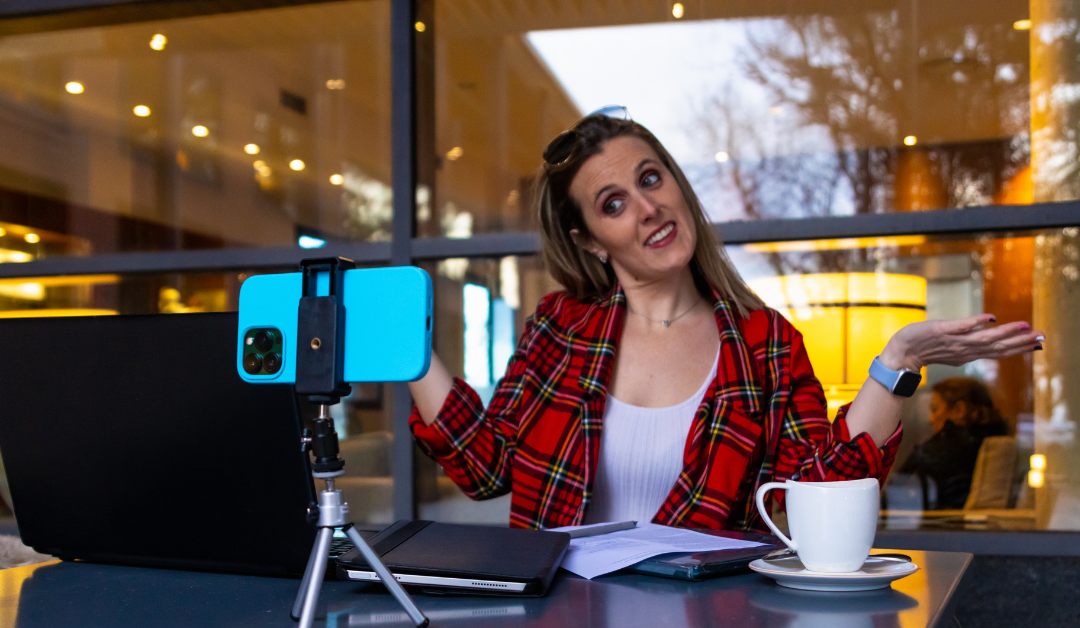
Last week, I was scrolling through my feed and came across a reel of a guy attempting a loaded barbell back squat on top of an unstable Swiss ball. Predictably, it ended in a horrific, spine-compressing crash, followed by a caption that read, “No pain, no gain. Tag a friend who needs to level up their leg day!” Aside from the immediate urge to facepalm, it made me think about the massive legal ticking time bomb sitting right under the nose of the modern digital fitness creator.
If you are filming home workouts, sharing macro guides, or posting transformation tips online, you are no longer just sharing a hobby; you are actively giving professional instruction to thousands of strangers. We need to talk about why protecting your digital brand with robust fitness influencer insurance is the most important business move you will make this year, specifically tailored for content creators, hybrid personal trainers, and fitness bloggers who are one viral video away from a devastating lawsuit.
The Reality of the “Bad Advice” Lawsuit
When I first started blogging over twelve years ago, the tech and fitness spaces were entirely different beasts. Today, a single video can reach a million screens overnight, and with that massive scale comes an equally massive risk. If a follower tries your “ultimate explosive plyo circuit”, tears their meniscus in their living room, and decides their medical bills are your fault, an ordinary gym-floor insurance policy will not save you.
Most standard personal trainer policies are strictly built around physical space. They assume you are standing next to a client in a local health club, physically correcting their form. The second your advice is packaged into an Instagram Reel, a TikTok challenge, or a downloadable PDF guide, it crosses into the territory of media liability and professional indemnity.
People are litigious, and the internet eliminates the personal relationship that usually prevents a client from suing their local trainer. If a follower suffers a severe health complication or injury after following your digital nutrition advice or training programme, they can allege professional negligence. Without a shield in place, you are personally liable for court fees, settlements, and legal defence costs that can easily skyrocket into tens of thousands of pounds.
Understanding Fitness Influencer Insurance and Your Safeguards
To build a proper safety net, you have to look at what specialised coverage actually does for a digital creator. It is not just about a slip-and-fall in a gym; it is about protecting your intellectual property, your words, and your digital assets. A comprehensive policy for an online fitness creator generally fuses several critical elements together into a single package.
First, professional indemnity covers the actual content of your advice. If you post a video demonstrating a deadlift technique and someone claims your instructions directly caused their herniated disc, this is the section of your policy that kicks in to pay for your legal defence.
Second, public liability handles the real-world crossover. If you are filming a high-production fitness vlog in a public park or a rented studio and your heavy tripod tips over, breaking a bystander’s foot or smashing an expensive piece of venue property, you are fully covered.
Finally, a true digital-focused policy includes media liability. This protects you against the hidden traps of content creation, such as accidental copyright infringement for using a trending audio track you did not have commercial rights to, or defamation claims if you post an aggressive product review of a supplement brand that decides to sue you for damaging their reputation.
+---------------------------------------------------------------+
|             CORE COMPONENTS OF INFLUENCER INSURANCE           |
+---------------------------------------------------------------+
|  Coverage Type         |  What It Protects                    |
+---------------------------------------------------------------+
|  Professional Indemnity|  Claims of bad advice or injury from  |
|                        |  your video workouts and plans.      |
+---------------------------------------------------------------+
|  Public Liability      |  Accidents, injuries, or property     |
|                        |  damage caused during filming.       |
+---------------------------------------------------------------+
|  Media Liability       |  Copyright issues, music licensing    |
|                        |  snafus, and defamation claims.      |
+---------------------------------------------------------------+
Where the Industry Limits Lie
I want to be completely transparent with you because the insurance market is notorious for hiding things in the fine print. I spent hours digging through policy wordings from major creators’ insurers recently, and there is a glaring limitation you must know about: the qualification trap.
Almost every insurer offering specialised coverage operates on the principle of utmost good faith. They will happily take your premium monthly payment without asking to see your certificates upfront. However, if a follower sues you and you attempt to file a claim, the very first thing the underwriter will ask for is proof of your accredited fitness or nutrition qualifications.
If you are an uncertified enthusiast who built a massive following purely on aesthetics and charisma, standard professional indemnity will often leave you out in the cold when a claim arises. For completely uncertified creators, you have to seek out incredibly specific, expensive social media liability policies that explicitly cover non-professional entertainment content, rather than standard fitness instruction. It is an expensive lesson I would hate for you to learn when it is already too late.
My Honest Recommendation for Digital Creators
My Take: If you are making money from your fitness content—whether that is through brand sponsorships, YouTube AdSense, or selling online coaching templates—going without insurance is financial roulette.
For certified personal trainers expanding into the digital world, look at comprehensive digital add-ons from trusted providers like Protectivity, PolicyBee, or Everywhen. Policies can start as low as £5 to £12 a month for basic limits, which is a tiny price to pay for absolute peace of mind. Make sure your policy explicitly states it covers “online, virtual, and pre-recorded video instruction”.
Do not wait until a formal legal letter drops into your inbox to take your business seriously. Protect your hard work, protect your personal assets, and keep creating your content with total confidence.
Have you ever had a follower misinterpret your fitness advice, or are you currently looking for a policy for your page? Drop your thoughts or questions in the comments section below, and let’s talk about them!